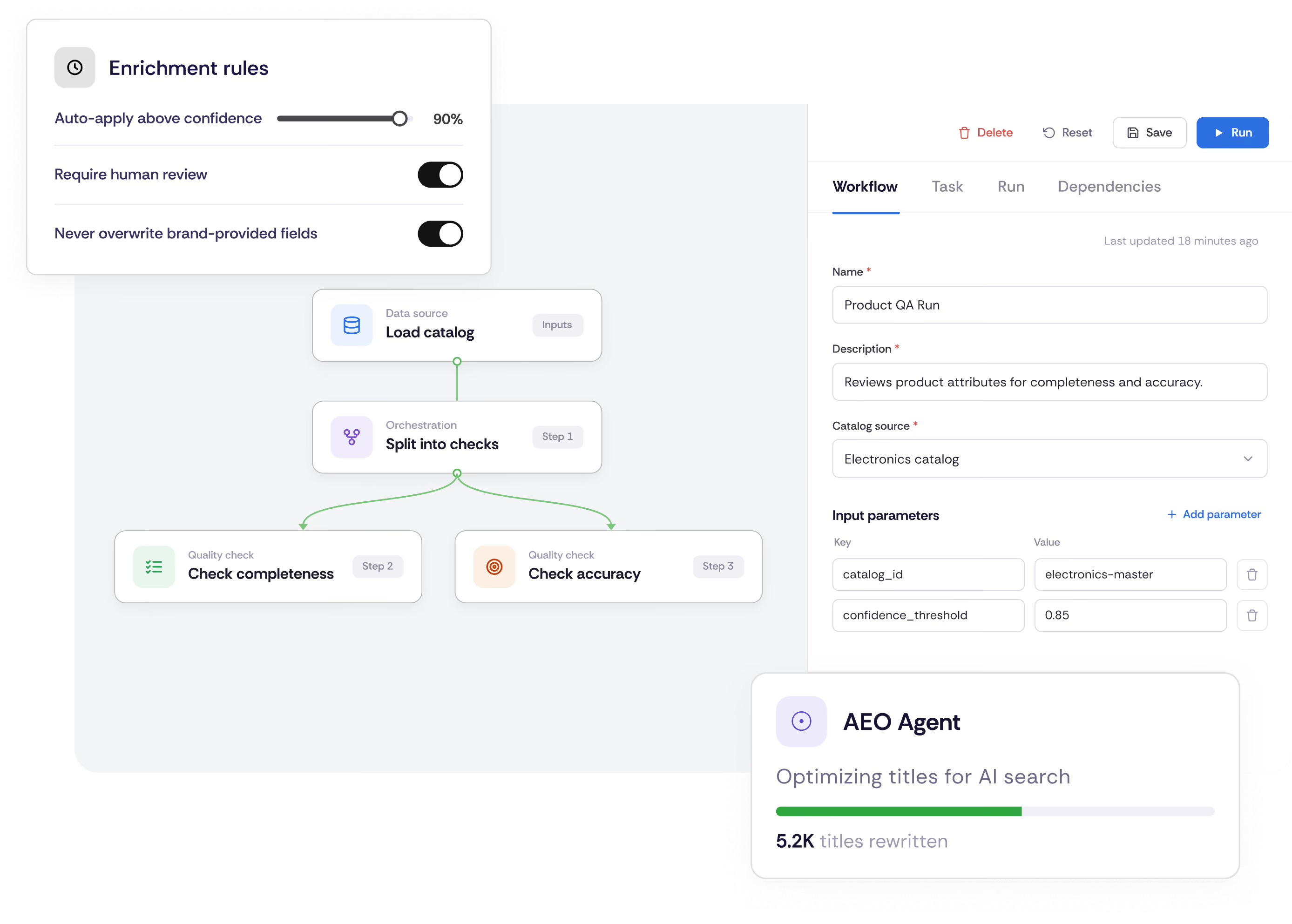
Agents are only as good as their context.
The Context Graph connects products, suppliers, assets, taxonomy, rules, and channels into one living layer of commerce context that every agent can use.
.webp)
.webp)
Generic AI doesn’t know your business. The Context Graph does.
A prompt can describe your catalog. It can’t know what sits behind each value. The Context Graph turns that knowledge into structured context, so agents reason instead of guessing.
.webp)
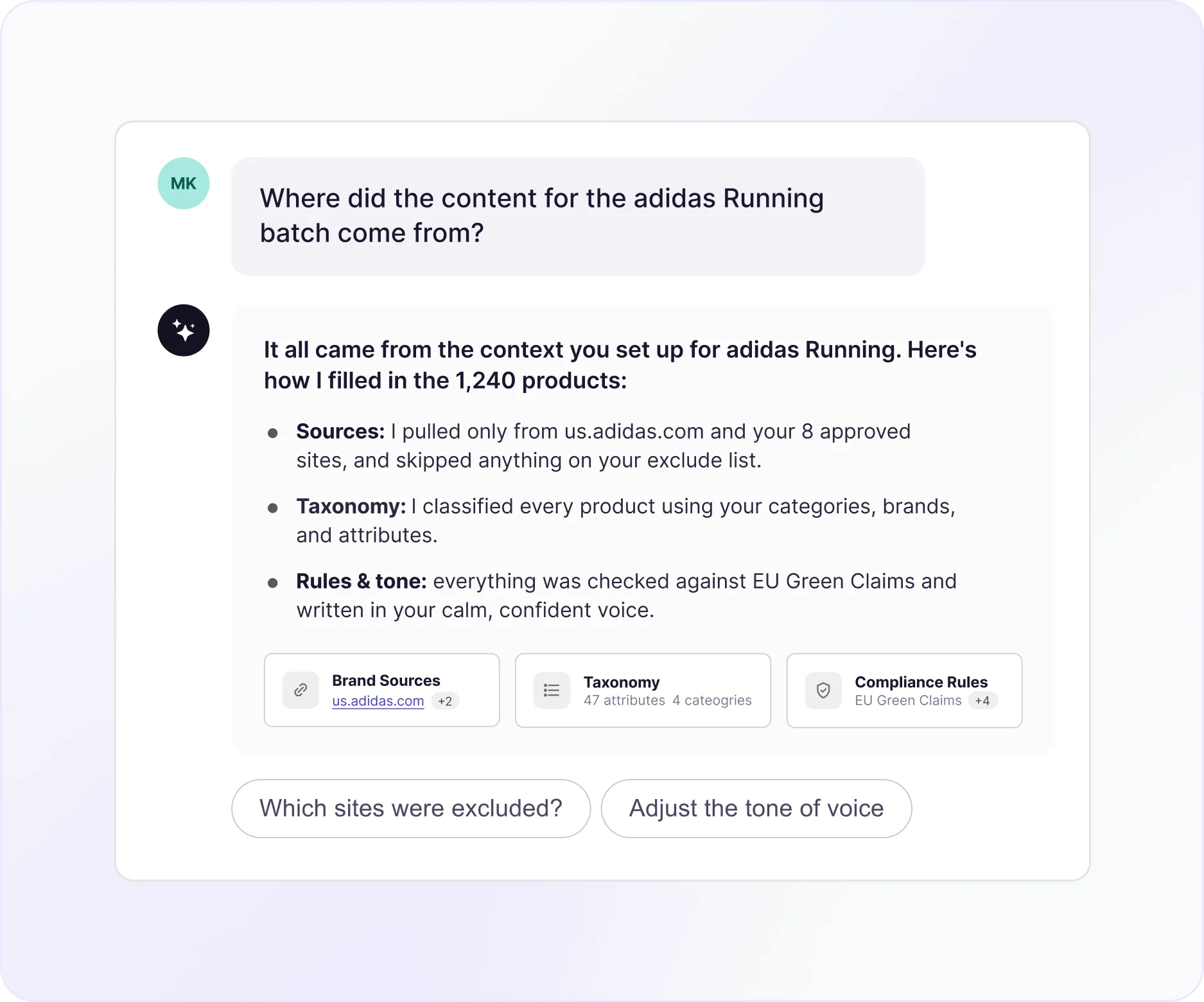
Context with provenance built in
Every attribute carries its source, lineage, and confidence. Agents know where each value came from and how much to trust it.

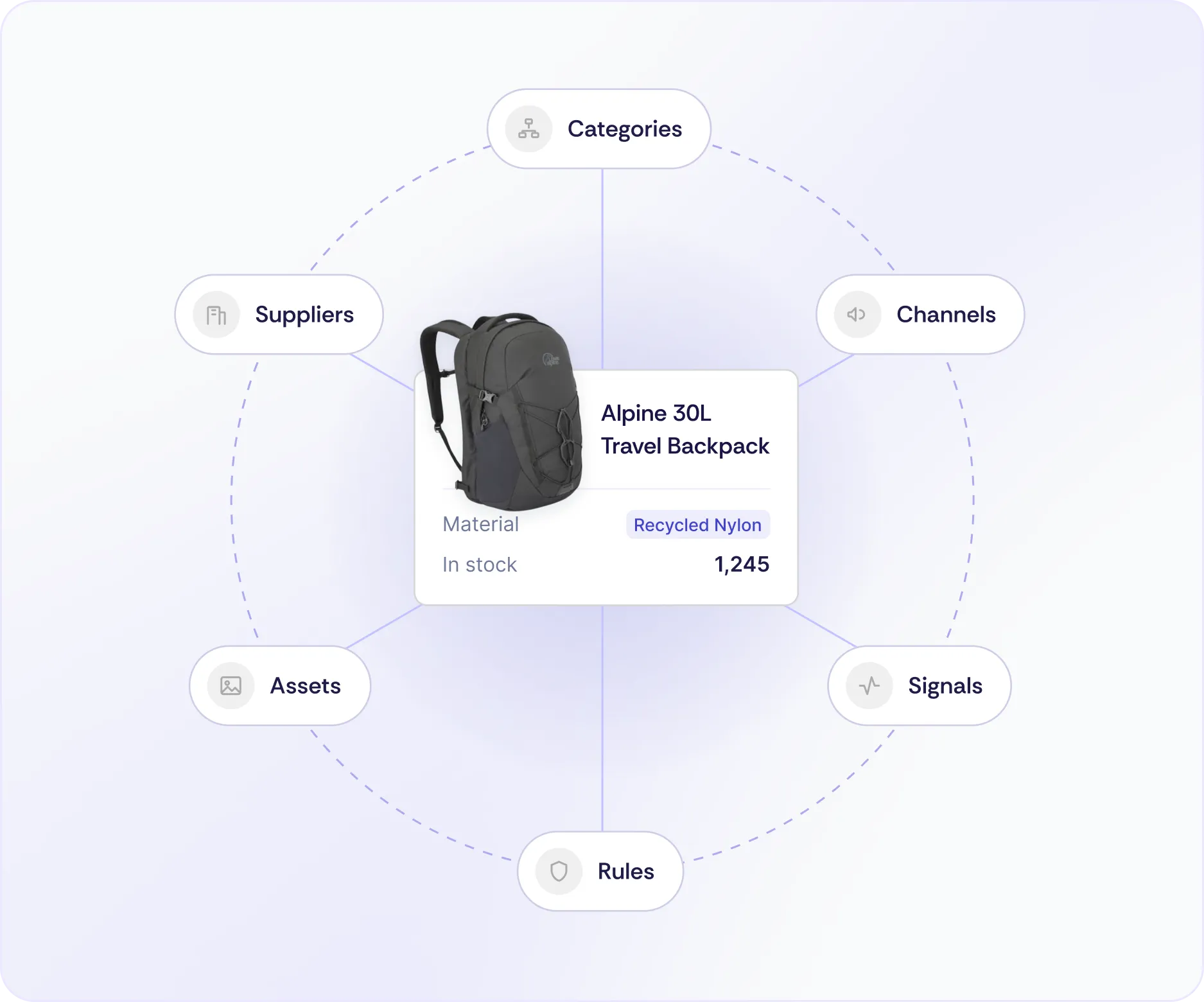
Your commerce data, connected
Products link to suppliers, assets, categories, rules, signals, and channel requirements in one graph. Agents see the full picture, not a row in a spreadsheet.
Configure once. Every agent understands it.
Taxonomy, rules, terminology, and channel specs are shared context, not settings locked to one workflow. Every agent draws on them from day one.

What lives in the Context Graph
Products & attributes
Complete product profiles with full lineage.

Suppliers & sources
Who provided what, ranked by your hierarchy.

Digital assets
Images and files linked to the products they describe.

Taxonomy & rules:
Your structure and your constraints, machine usable.

Channel requirements
What every destination needs, in its format.

Customer signals
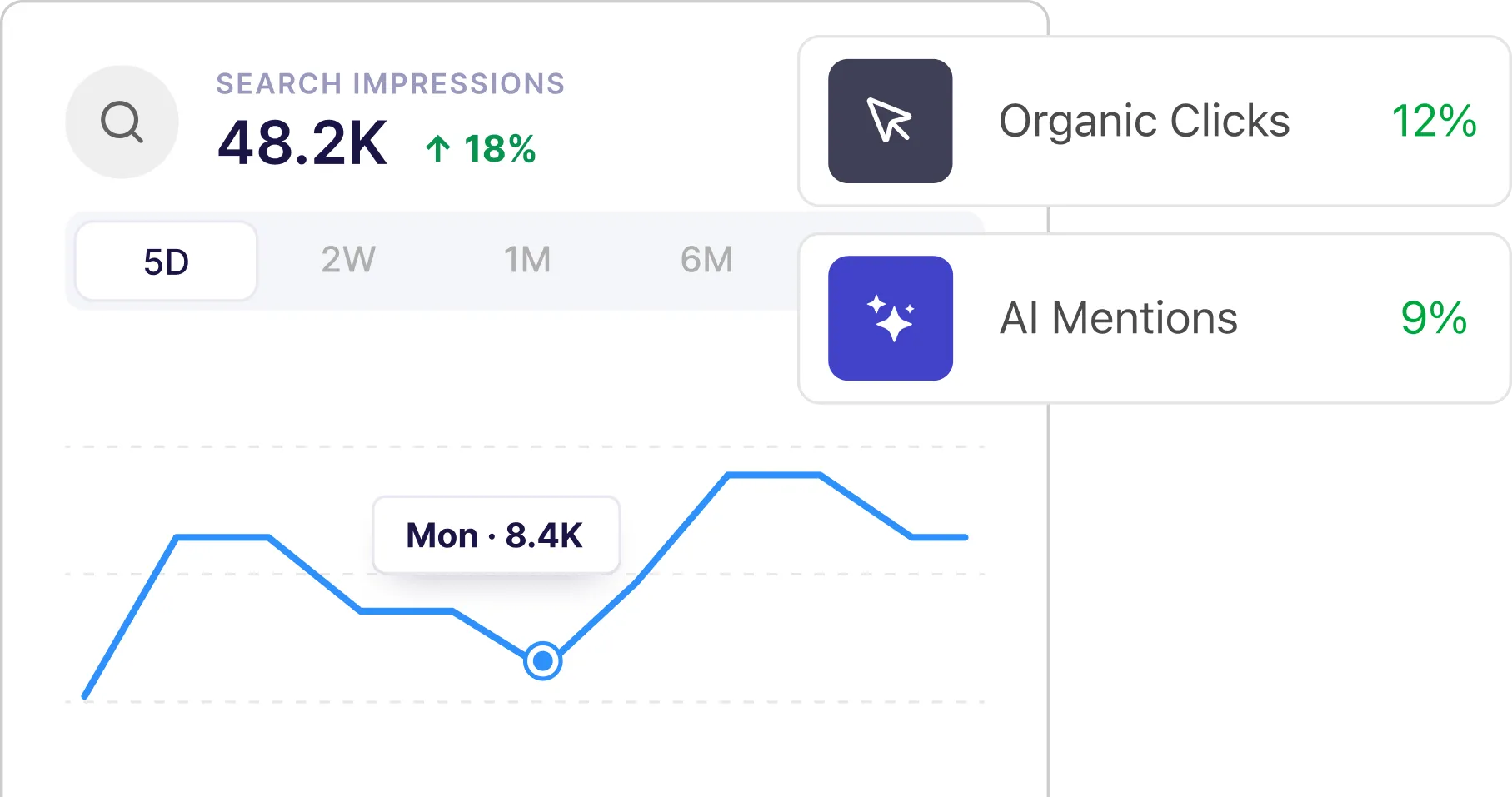
Search, discovery, and performance data feeding back in.
All your questions.
Answered.
What is a context graph?
A structured layer that connects your commerce data with the relationships, provenance, and constraints AI needs to act on it accurately.
How is this different from a PIM?
A PIM stores product data. The Context Graph connects it, with relationships, rules, and provenance included, so agents can reason over it.
Do we have to rebuild our taxonomy to use it?
No. The graph is built on your structure and your rules.
How do agents actually use it?
Every agent reads from the graph at each step, checking sources, rules, and channel requirements before it acts. See How Agents Work for the full picture.
Give your agents something to reason with